
How Education Improves Health Outcomes: Why Learning Saves Lives in Rural Communities
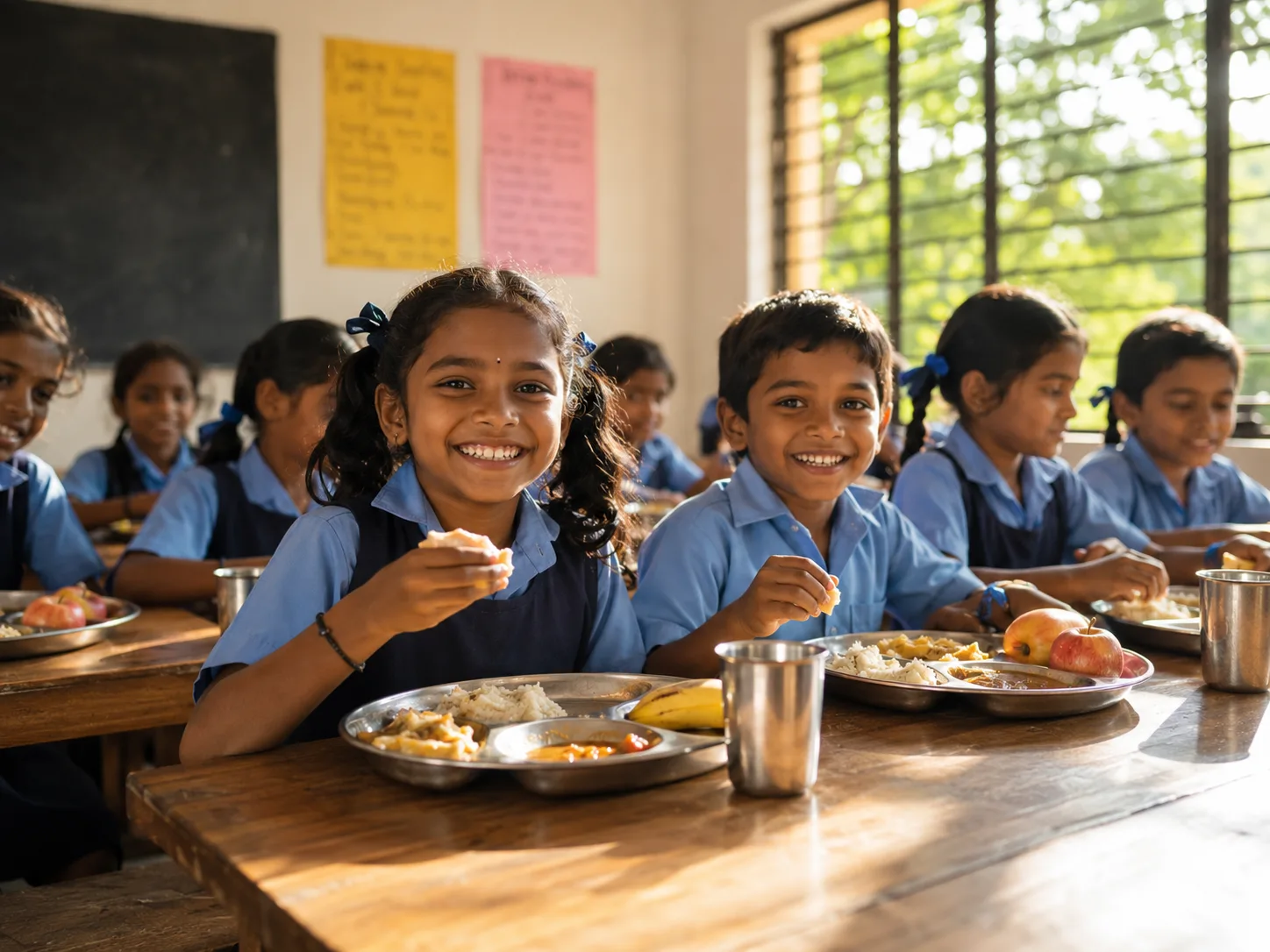
Summary: How Education Directly Improves Health Outcomes
Education directly improves health outcomes by equipping individuals with critical health literacy, promoting preventive hygiene practices, and empowering families to make informed nutritional choices. Research from global health organizations shows that children of educated mothers are more than twice as likely to survive past the age of five. Foundational schooling reduces infant mortality, lowers maternal health risks, increases childhood immunization rates, and breaks the cycle of preventable diseases across rural communities.
The Hidden Link Between the Classroom and the Clinic
When most people think of improving public health in rural India and Gujarat, they immediately think of building hospitals, opening dispensaries, and sending doctors. While medical infrastructure is indispensable, medicine alone cannot cure diseases rooted in a lack of basic knowledge.
Without foundational education, families often cannot:
- Read prescription dosages or expiration dates on basic medicines.
- Recognize early warning signs of dehydration, pneumonia, or acute malnutrition.
- Understand the vital connection between unboiled drinking water and recurring waterborne infections.
Education is preventive healthcare in disguise. Long before a child ever needs a clinic, an educated parent makes the daily choices that keep illnesses away in the first place.
4 Ways Education Transforms Health and Saves Lives
1. Maternal Education and Child Survival
The single strongest predictor of a child’s health and life expectancy is their mother’s level of education. When girls stay in school, the benefits ripple across future generations:
- Twice the Survival Rate Past Age Five: Educated mothers are significantly more likely to recognize dangerous childhood symptoms like high fever or chronic diarrhea and seek medical help before it is too late.
- Complete Childhood Immunization: Studies across rural India show that literate mothers are up to 50% more likely to ensure their children receive full immunization schedules (polio, measles, DPT, and hepatitis).
- Delayed Marriage and Safer Childbirth: Girls who complete basic schooling marry later, receive proper prenatal checkups, and deliver in hygienic healthcare facilities rather than unassisted home births.
2. Better Nutrition and Food Security
Malnutrition in rural areas is not only caused by food scarcity; it is often caused by a lack of awareness about balanced dietary needs.
- Understanding Micro-Nutrients: Educated parents know the importance of feeding children iron-rich, protein-dense, and vitamin-packed foods rather than relying solely on refined carbohydrates.
- Optimal Infant Care: Educated mothers are far more likely to practice exclusive breastfeeding for the first six months and introduce nutritious complementary foods at the right developmental stages.
3. Everyday Hygiene and Disease Prevention
The majority of illnesses in rural villages—including diarrhea, cholera, typhoid, and skin infections—are preventable through basic water, sanitation, and hygiene (WASH) practices.
- Handwashing with Soap: Basic schooling instills the habit of handwashing before meals and after sanitation, which alone cuts childhood diarrheal deaths by nearly 40%.
- Safe Water Handling: Literate households are much more proactive in boiling, filtering, or covering water storage containers to protect against mosquito breeding and bacterial contamination.
4. Navigating Healthcare Systems and Avoiding Quacks
In many remote villages, low literacy makes families vulnerable to unregulated local practitioners and unsafe folk remedies.
- Informed Decision-Making: Educated community members can distinguish between trained healthcare workers (like ASHA and Anganwadi staff) and unqualified quacks.
- Proper Medication Adherence: Understanding why antibiotics must be completed, or why oral rehydration salts (ORS) save lives during dehydration, prevents fatal medical mistakes.
Health Outcomes Comparison: The Education Difference
The table below illustrates the stark difference in health indicators between households with foundational education versus those without literacy access:
| Health Indicator | Low Literacy Communities | Communities with Basic Schooling | Key Impact Factor |
|---|---|---|---|
| Under-5 Child Survival | Higher risk of preventable mortality | Over 2x higher survival rate past age 5 | Timely medical intervention & home care |
| Full Immunization Rates | Often delayed or missed | 45% to 60% higher completion | Understanding vaccine benefits and schedules |
| Maternal Mortality Risk | Elevated due to early unassisted births | Significantly lower | Higher rate of institutional hospital deliveries |
| Waterborne Illness Rates | Chronic diarrhea and infections | Reduced by 35%–50% | Strict sanitation, handwashing, & clean water use |
| Nutritional Stunting Rates | High prevalence of severe anemia | Noticeably lower stunting | Balanced diets using affordable local greens & pulses |
How Sanderi Gami Foundation Connects Education with Community Health
At Sanderi Gami Foundation, we see firsthand how education acts as the first line of defense against poverty and illness. Our foundational learning initiatives across rural Gujarat are designed to nurture both intellect and physical well-being:
- Supplying School Kits & Learning Materials: We provide rural students with notebooks, stationery, and backpacks so economic hardship never interrupts a child’s schooling.
- Health and Hygiene Awareness in Classrooms: We integrate daily hygiene habits, clean water awareness, and sanitation practices into every school interaction.
- Green School Campuses: On our Greenery Initiatives, we plant fruit trees inside school grounds, creating shade for study and providing fresh, vitamin-rich fruits for children’s midday meals.
Explore our recent school support drives on our Education Initiative page and view real photos of our ground activities in our Community Gallery.
Frequently Asked Questions
How does education improve health outcomes in rural areas?
Education improves health outcomes by raising health literacy, promoting daily hygiene habits (like handwashing and safe water storage), improving family nutrition, and ensuring parents seek qualified healthcare providers rather than unverified home remedies.
How does maternal education affect child survival and health?
Children of educated mothers are more than twice as likely to survive past the age of five. Literate mothers are better informed about prenatal care, complete childhood vaccinations on time, recognize life-threatening illness symptoms early, and provide balanced diets.
What is the link between education, hygiene, and nutrition in villages?
Education teaches children and parents the germ theory of disease and the nutritional value of different foods. This leads directly to proper handwashing, clean drinking water practices, and the consumption of affordable, nutrient-dense local fruits and vegetables.
Why do educated mothers have healthier children?
Educated mothers tend to marry later, utilize maternal healthcare services during pregnancy, practice safe infant feeding methods, and possess the financial independence and confidence needed to make timely medical decisions for their children.
How does health literacy reduce preventable diseases in rural communities?
Health literacy empowers families to understand preventive measures before illness strikes. It ensures proper adherence to medical prescriptions, widespread vaccine adoption, and early treatment of common illnesses before they escalate into emergencies.
Help Us Empower the Next Generation
When you help a child stay in school, you are not just teaching them how to read—you are protecting their health, empowering their future family, and saving lives.
Join Sanderi Gami Foundation as we continue to support rural schools and community welfare across Gujarat.
👉 Learn More About Our Education Work
👉 View Upcoming Drives & Get Involved
👉 Join Our Community WhatsApp Network